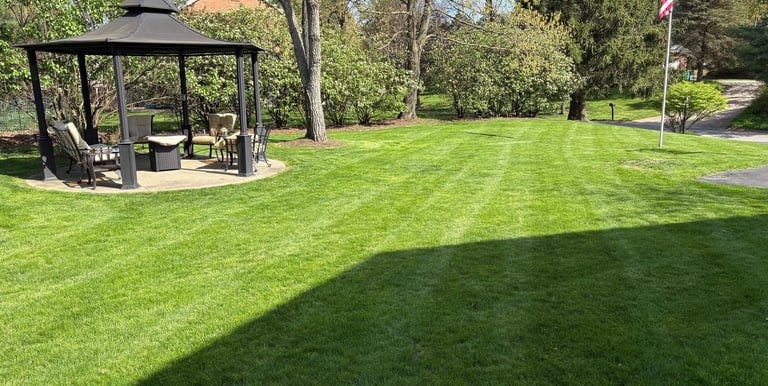
Leaf Clean-Ups for a healthy lawn
The Benefits of Leaf Removal for Better Lawn Care: A Complete Guide to Healthier, Greener Grass
11/1/20254 min read


As the fall season approaches, your lawn is likely to start accumulating fallen leaves, twigs, and debris. While this is a natural part of the season, many homeowners underestimate the importance of leaf removal for maintaining a lush, healthy lawn. In this blog post, we’ll explore the benefits of leaf removal for your lawn and how it can help improve your grass’s health, appearance, and overall growth.
Why Leaf Removal is Crucial for Lawn Health
Prevents Lawn Diseases
When leaves accumulate on your lawn, they create a thick, wet mat that traps moisture against the grass. This excessive moisture can promote fungal growth and attract harmful pests, which can lead to diseases like brown patch, snow mold, or fusarium blight. By regularly removing leaves, you prevent these issues from taking root, ensuring your lawn stays disease-free and vibrant throughout the fall and winter.
Ensures Proper Sunlight Penetration
One of the most important factors for lawn growth is sunlight. A thick layer of leaves covering your grass deprives it of essential sunlight, which is crucial for photosynthesis. When leaves are left on the lawn for too long, they can block sunlight from reaching the grass, leading to thinning patches and weak, unhealthy turf. By removing leaves consistently, you allow your lawn to absorb as much sunlight as possible, helping it stay green and strong.
Prevents Thatch Buildup
Thatch is a layer of dead grass, roots, and organic matter that can accumulate on top of the soil. While a small amount of thatch is normal, excessive thatch can restrict water, nutrients, and air from reaching the grassroots. Leaves that are left to decompose on the lawn contribute to thatch buildup. By clearing away fallen leaves, you reduce the chances of excessive thatch, promoting healthier grass roots and better overall lawn health.
Reduces Pest Infestation
Piles of leaves can create the perfect hiding spots for pests like grubs, snails, and insects. These pests can damage your lawn by feeding on the roots, causing your grass to weaken and die off. Removing leaves not only reduces hiding places for pests but also limits their food sources, helping to prevent infestations that could lead to significant damage to your turf.
Improves Lawn Aesthetics
Beyond the practical reasons, leaf removal also plays a big role in maintaining your lawn’s aesthetic appeal. A lawn littered with fallen leaves can look messy and unkempt, detracting from the overall appearance of your yard. By keeping your lawn clean and leaf-free, you enhance its beauty and curb appeal, making your home more inviting to guests and increasing its overall value.
Best Practices for Leaf Removal
Now that you understand why leaf removal is essential, it’s important to know the best practices for effectively removing leaves from your lawn.
Rake Regularly: Raking your lawn every few days or once a week during peak fall months helps prevent leaves from piling up. If you have a small yard, a traditional rake may be sufficient. For larger yards, consider investing in a leaf blower or a mulching lawn mower.
Use a Lawn Vacuum or Mulcher: Lawn vacuums are an efficient way to remove leaves quickly while also vacuuming up debris and thatch. Some models also offer mulching features, allowing you to chop leaves into smaller pieces that can be composted or used as mulch.
Shred or Mulch the Leaves: Instead of bagging leaves, consider mulching them into small pieces. Mulching is a great way to add nutrients back into the soil, as the decomposed leaves act as organic matter. You can mulch with a lawn mower or a specialized leaf mulcher.
Don’t Let Leaves Sit Too Long: Try to remove leaves before they get wet and heavy. If left for too long, wet leaves can compact, making them harder to remove and more likely to damage your lawn. Aim to clear your lawn of fallen leaves within a day or two of a major leaf drop.
Consider Leaf Removal Services: If you don’t have the time or equipment to remove leaves yourself, many lawn care companies offer professional leaf removal services. These services are especially helpful for large yards or if you’re looking for a more convenient option.
Additional Lawn Care Tips for Fall
While leaf removal is an essential part of fall lawn care, it’s also important to follow other seasonal practices to keep your lawn in top condition:
Aerate Your Lawn: Aerating your lawn in the fall helps to alleviate soil compaction, allowing air, water, and nutrients to reach the grassroots more easily. This is especially important if your lawn has heavy traffic or clay-based soil.
Fertilize for Fall Growth: Applying a fall fertilizer can help your lawn prepare for the cold winter months. Look for a slow-release fertilizer that will nourish your grass and encourage strong root growth through the winter.
Seed Bare Spots: Fall is the perfect time to reseed any bare or thinning spots in your lawn. The cooler temperatures and consistent rainfall will help the grass establish a strong root system before the winter months.
Conclusion
Leaf removal is more than just an aesthetic task—it’s an essential component of good lawn care. By preventing disease, improving sunlight penetration, reducing thatch buildup, and discouraging pests, you’ll ensure that your lawn stays healthy and green throughout the year. Don’t wait until it’s too late—start your leaf removal routine today for a beautiful, thriving lawn next spring.
Remember, a little effort now can lead to a lush, vibrant lawn that you’ll enjoy all year long! Happy lawn care!
Get in touch